
Planning team attendance
Getting staff to a workshop without leaving the unit short takes a bit of planning. This guide helps renal teams fit training around rosters, patient needs and travel, while using our listings to compare options.
Start with the unit roster, not the workshop flyer
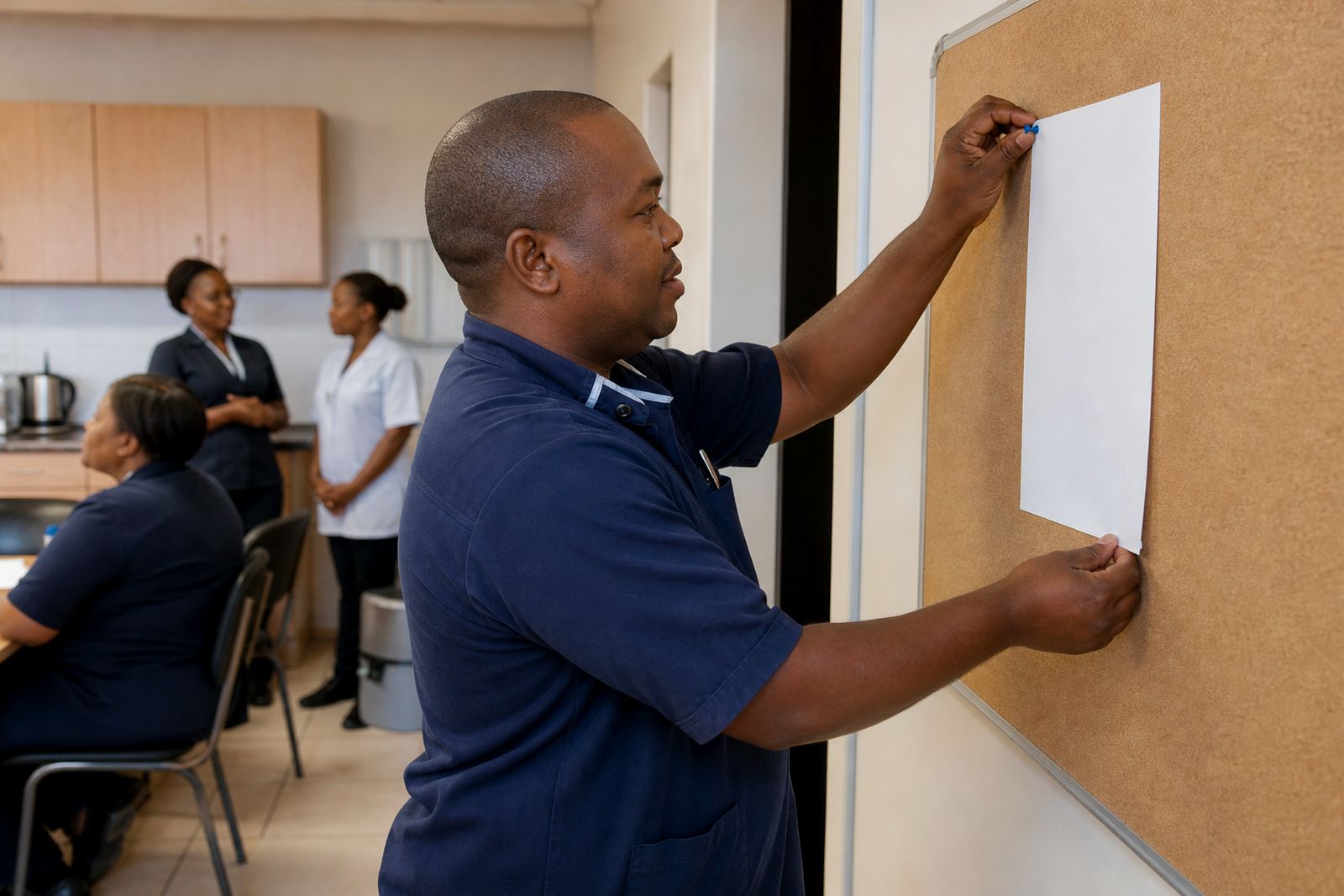
The easiest way to avoid last minute changes is to begin with your unit roster and service pressures before anyone asks for leave. Workshops can be useful for nurses, technicians, unit managers and doctors, but attendance needs to match the reality of who is on shift, who is on call and what support is needed in the unit that week. In smaller units especially, taking out even one experienced staff member can affect admissions, machine turnaround and routine checks.
Use the workshop listing as a planning tool rather than a rushed booking prompt. Look at the city, start time, likely travel time and whether the session appears to suit one role or a mixed team. If a listing is in another province, a one day event may still require two working days once travel is included, which can catch managers out.
- Check the current duty roster before discussing attendance.
- Identify high pressure days such as admissions, maintenance windows and clinic reviews.
- Note public holidays, school traffic periods and month end admin peaks.
- Compare local options with events that need overnight travel.
Choose who should attend and why
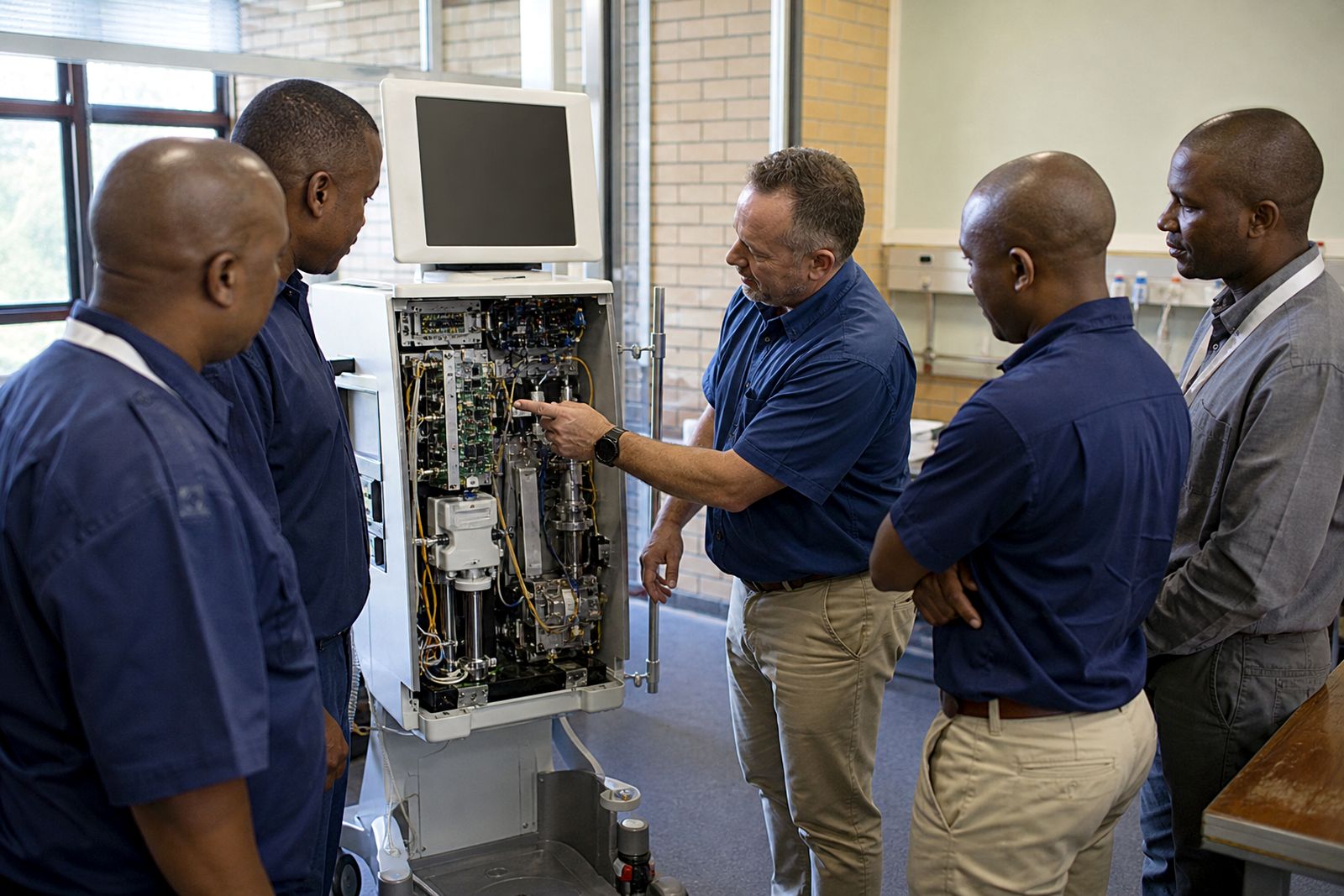
Not every workshop suits every person. A better approach is to match the learning topic to the role in the unit, then decide whether one person should attend and report back, or whether several team members need the same training. For some topics, sending one delegate is enough. For others, such as practical operational topics, wider attendance may help standardise how the unit works afterwards.
Keep the reason for attendance clear. If the aim is refresher learning, that may suit a different staff member than a workshop intended to support a new responsibility. This also helps when requesting study leave or internal approval, because the benefit to the unit is easier to explain.
- Name the role needed at the workshop, not just the person who is keen to go.
- Decide if the learning is for awareness, practical use or policy alignment.
- Consider succession planning when senior staff cannot always be away.
- Ask the attendee to bring back notes for the wider team.
Work out the true time away from the unit
A workshop may be listed as a single day, but the impact on staffing can be bigger than it first appears. Travel from Bloemfontein to Johannesburg, Durban, Gqeberha or Cape Town can mean early departures, airport transfers, road travel and late returns. Even where flights are available, delays and weather can affect the plan. For teams driving to nearby towns, road distance still matters when the workshop starts early in the morning.
Think through the full absence period from leaving home to returning, and whether the person can safely work a shift on the same day. If the event ends late afternoon, expecting a long drive back and then an early unit start the next morning is not always sensible. This is one of the places where rosters can unravel if the time away is underestimated.
It also helps to think about practical disruptions. Power cuts, municipal water interruptions and heavy coastal humidity can all affect travel timings or unit operations in different parts of South Africa, so leave a bit of margin where possible.
Plan cover before confirming the booking
Once you know who should attend, make the cover plan first. This is where many teams come unstuck. Someone gets excited about a useful workshop, books with the organiser, and only later realises there is no safe way to cover the shift. A simple cover check done early saves back and forth later.
Look at skills as well as headcount. Replacing a technician with any available staff member is not the same as replacing that person with someone able to handle the same checks and troubleshooting. The same applies to clinical roles. Your cover plan should spell out who is doing what while the attendee is away, and who is the backup if a colleague books off sick.
- Confirm who will cover the attendee's core tasks.
- Check whether overtime, agency support or shift swaps are allowed by your unit rules.
- Make sure handover notes are ready before the workshop day.
- Nominate a backup plan in case travel changes at short notice.
- Review any municipal access rules, parking limits or visitor procedures if the workshop venue has restricted entry.
Use the listing details properly
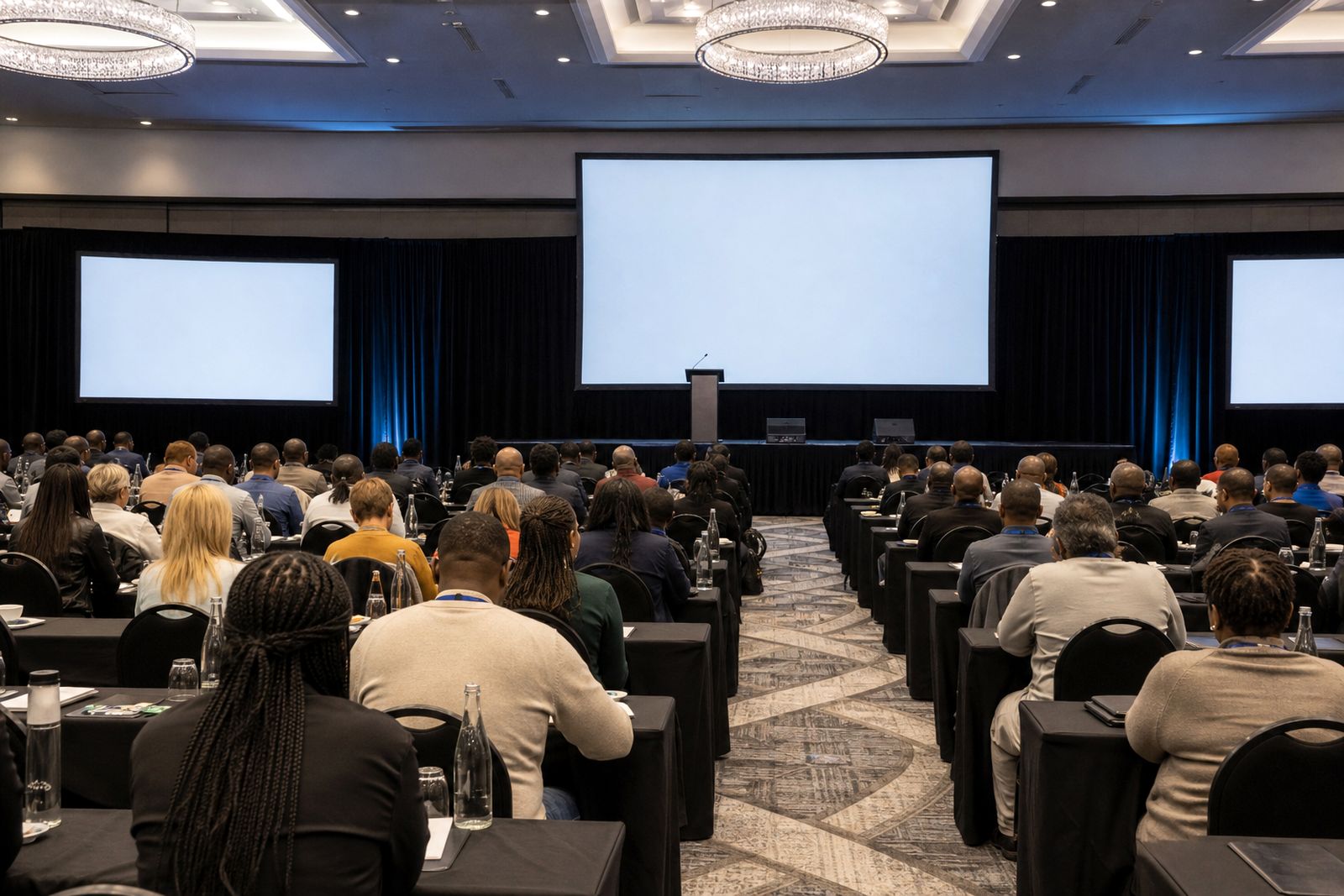
Each workshop listing on Dialysis SA is there to help your team compare options, not to replace the organiser's booking process. Read the listing closely for venue details, event type and the booking link to the organiser. If your team needs confirmation on programme fit, registration rules, arrival times or cancellation terms, those questions should go to the organiser through their own booking route.
For managers, it helps to keep a small internal checklist against each listing you are considering. That way the choice is not based only on who saw the notice first. Compare travel demands, likely costs, time out of the unit and whether the topic fills an actual need. If two similar workshops appear, the one closer to your team may be the more practical option even if the content looks broadly alike.
We do not run the workshops ourselves and we do not take bookings on behalf of organisers. Our role is to present the listing clearly so your team can decide if it fits.
After the workshop, make the learning count
Attendance planning should include what happens afterwards. A workshop has more value when the attendee shares key points with the team and keeps their own records in order. A short feedback session at handover, a few typed notes or a quick in service recap can help the rest of the unit benefit without everyone needing to travel.
Managers may also want to keep a simple attendance file with the listing title, proof of attendance if provided by the organiser, travel notes and any actions for the unit. This supports future planning and helps the team see which training gaps still remain. It also stops the same few people always attending while others are overlooked.
- Ask the attendee to summarise the main practical takeaways.
- Store attendance records in the staff member's training file.
- Note any procedure updates the unit should review.
- Record whether the travel plan worked well or needs adjustment next time.
If you are unsure which type of workshop suits your team, use our contact page enquiry form and we can point you to the most relevant listings category. Bookings still go to the organiser, but a little planning here can save your unit a lot of stress later.
What our Renal Training customers say
Verified Google reviews
Questions we get asked
Can Dialysis SA book workshop places for our unit?
No. We list workshops and provide the booking link to each organiser. Registrations, confirmations and event questions are handled by the organiser.
Should we send more than one staff member to the same workshop?
That depends on the topic and your unit cover. If the learning needs to be applied across the team, more than one attendee may help, but many units send one person first and share the learning internally.
What should we check before approving travel to a workshop?
Check the roster, travel time, overnight needs, shift cover, likely transport delays and whether the workshop content matches the staff member's role.
Also worth a look


List an event or ask a question
Send a note through our contact form with the event, the organiser and the dates, or your question about the calendar, and our editor will contact you.
Open the contact form