Getting the most from a conference
A good conference plan helps your team come back with useful ideas instead of a bag full of brochures. This guide shows renal-care staff how to choose sessions, take workable notes and turn one or two days away into changes that matter on the unit floor.
Start with one clear reason for going
Before you book travel or scan the programme, decide what you need from the conference. That reason might be clinical updates, technician learning, unit operations, infection control refreshers, staffing ideas or better maintenance planning. If you go in with no clear aim, it is easy to sit through full days and still come back unsure what was useful.
For many teams, the best approach is to write down two or three questions before leaving Bloemfontein or any other base. Those questions can guide which sessions to attend and which exhibitors or organisers to speak to. Keep the questions practical, linked to current work in your unit and not too broad.
- What problem are we trying to solve back at the unit?
- Which role is attending, nurse, technician, unit manager or doctor?
- What information would make the trip worthwhile?
- What can we realistically put into practice within a month?
If more than one person from your team is attending, divide the focus areas early. One person can cover technical sessions, another clinical topics, and another management or patient-flow discussions. That stops everyone attending the same talk and missing other useful content.
Read the programme before you arrive
Conference days move quickly. Registration, queueing, hall changes and informal chats all take time, so do not rely on deciding everything on the day. Read the programme in advance and mark priority sessions, second-choice sessions and any breaks you want to keep open for networking or notes.
It helps to be realistic. Trying to attend every talk often leaves people tired and unable to remember much by late afternoon. Choose the sessions that match your reason for attending, then leave breathing space between them if possible. A short gap can be the difference between notes you can use and notes that make no sense later.
- Circle must-attend sessions first.
- Mark backup sessions in case a room is full or times change.
- Check whether technical, nursing and management sessions overlap.
- Note where the venue rooms are so you do not waste time walking around.
- Set aside time to visit posters, display stands or discussion areas.
If you found the event through our conference listings, open the organiser booking link again before you travel and check for programme updates, parking notes and registration instructions. We list the event details and booking route, but bookings and final event arrangements stay with each organiser.
Take notes you can use back at work
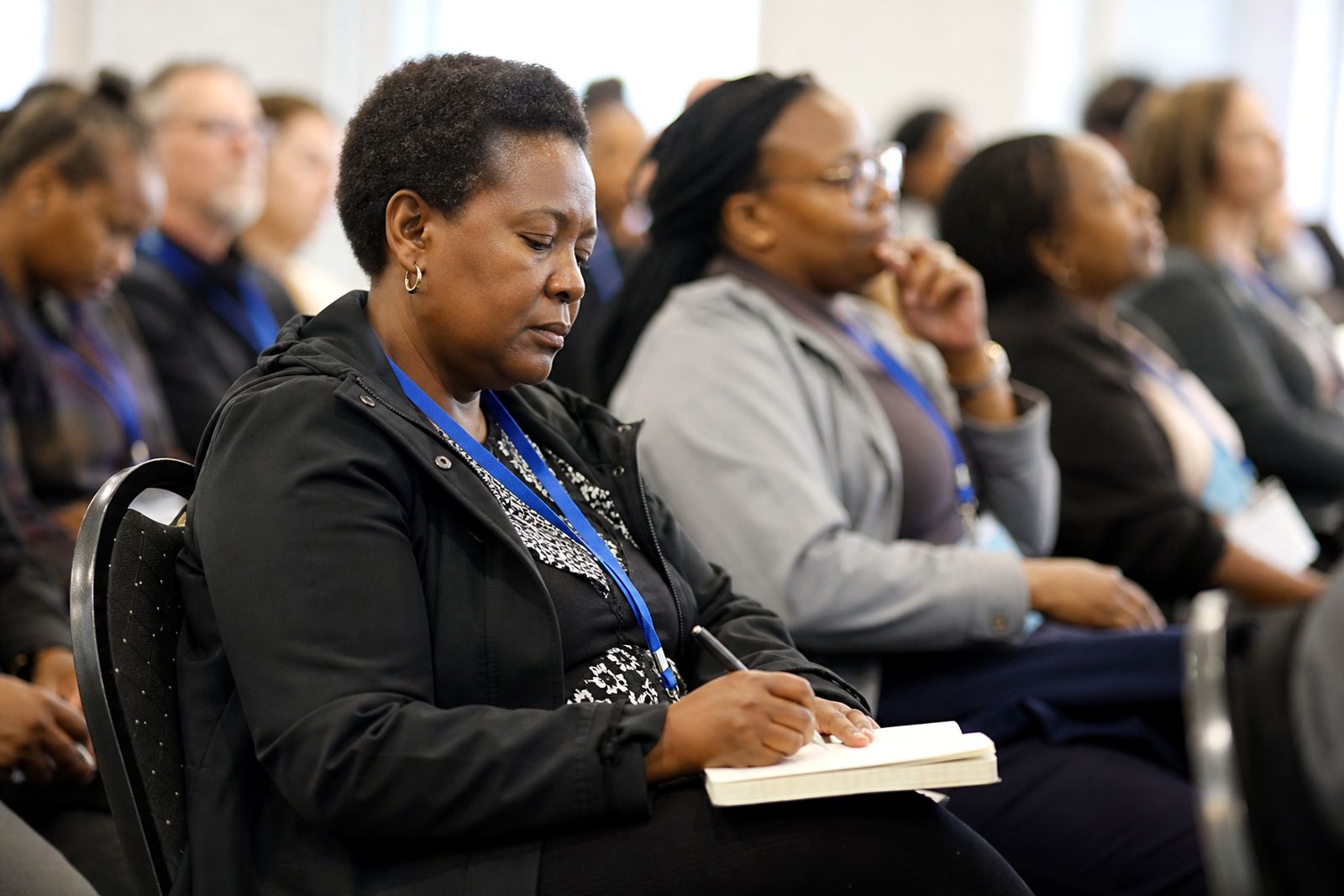
Many conference notebooks are full of headings and very little else. The easiest fix is to use a simple note format for every session. Write the session title, then capture only four things: the main point, one practical change, one question to follow up and one person or source to contact later if needed.
This kind of note-taking works well for renal-care teams because it keeps the focus on action. Instead of copying slides line by line, you are collecting items that may help with patient care, water quality processes, machine handling, stock control, staff training or unit routines. Even a short bullet list can be enough if it is clear.
Try not to write while every point is being spoken. Listen first, then summarise in your own words. If a speaker mentions a process that may not fit your unit because of municipal water conditions, staffing levels or budget limits, note that concern there and then. That small step saves confusion later.
- Main message from the session.
- What applies directly to our unit?
- What would need approval before any change?
- What needs more checking before we act on it?
- Who on our team should hear this first?
Use breaks to ask better questions
Some of the best value from a conference comes outside the lecture room. Tea breaks, poster areas and supplier open spaces can help you compare how other units handle the same day-to-day issues. The trick is to ask narrow, practical questions rather than very broad ones.
For example, instead of asking, “How do you manage technical training?” ask what onboarding steps are used in the first week, how competency is checked, or how staff cover is arranged while someone is on a course. Short specific questions usually get clearer answers.
It also helps to introduce yourself by role. People respond better when they know whether you are attending from a nursing, technical, medical or unit management side. Keep a few questions ready on your phone or notepad so you do not forget them after a busy session.
Be polite about time. Speakers and organisers are often pulled in many directions between sessions, and a quick focused question is more likely to get a useful reply. If the answer needs detail, ask the best way to follow up with the organiser or presenter later.
Plan for travel, fatigue and time away from the unit
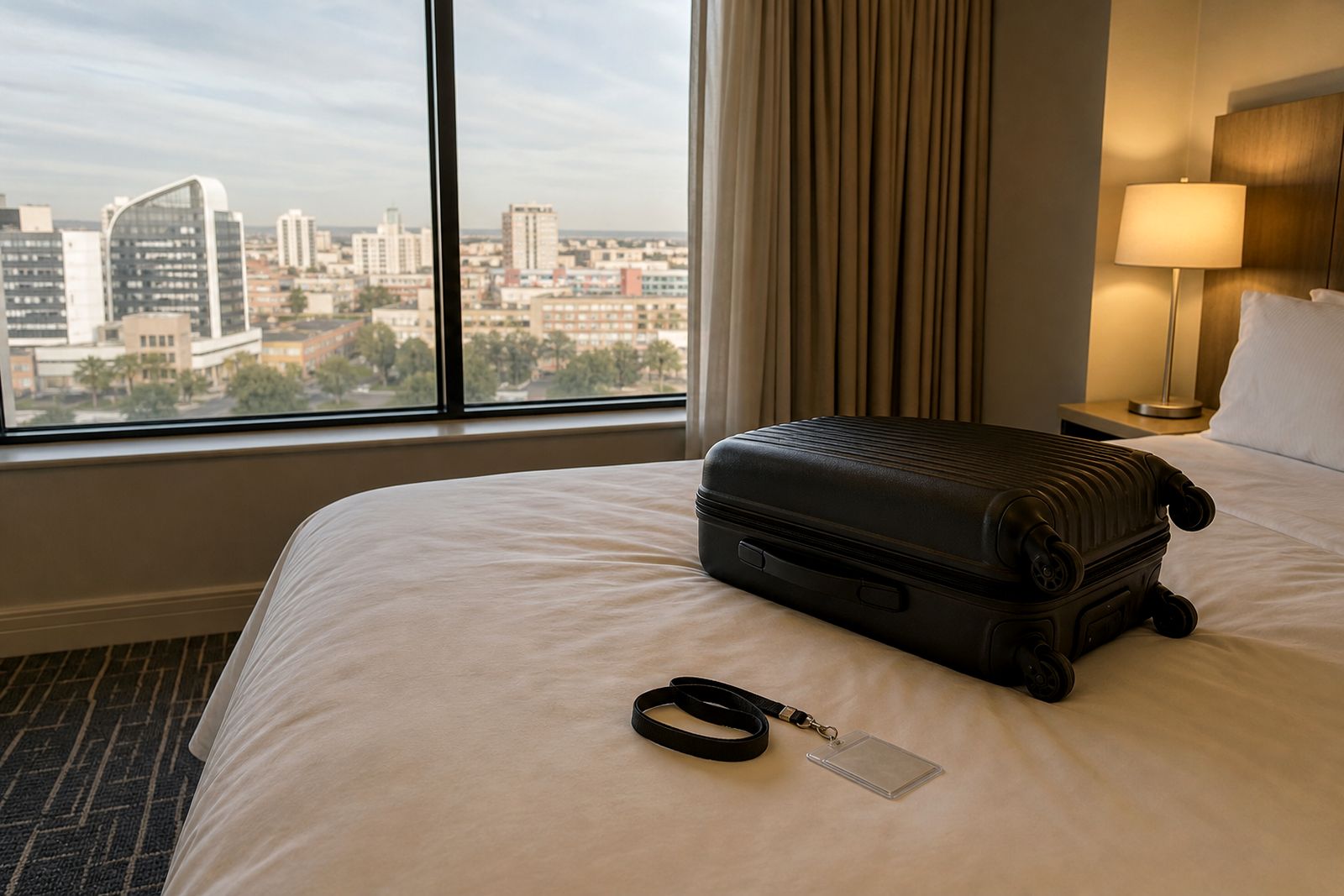
Conference value drops quickly when travel planning is poor. If you are attending from another town, work out travel time, traffic, parking and check-in arrangements before the day. In larger centres, moving from accommodation to venue can take longer than expected, especially in morning peak traffic.
Pack for a full day on your feet. Comfortable shoes, a refillable water bottle, a light jersey for heavily cooled halls and a charged phone make a difference. If you rely on a device for your programme or notes, keep a power bank with you in case of power cuts or limited charging points at the venue.
Back at the unit, make sure cover has been arranged properly. A conference is harder to focus on if you are getting repeated messages about unfinished rotas, machine issues or stores queries. A short handover before you leave can prevent that.
- Confirm travel and parking details early.
- Allow extra time for registration queues.
- Carry a charger, power bank and notebook.
- Take only the documents you need.
- Set an out-of-office handover with your team.
Turn conference learning into action within a week
The first week after a conference matters most. If notes stay in a bag, the value fades fast. Book a short feedback slot with your team while the points are still fresh. Keep that feedback tight and practical: what you learnt, what may help the unit, what needs more checking and what should not be taken forward.
A simple one-page summary often works better than a long report. Group your points under headings such as clinical practice, technical operations, staff development and service delivery. Add a priority next to each item so colleagues can see what needs urgent discussion and what can wait.
Do not promise changes too quickly. Some ideas sound good at a conference but do not suit your staffing, budget, municipal services or local procedures. It is better to test one suitable improvement than to come back with ten ideas that go nowhere, this happens often after busy events.
- Share your top three takeaways with the team.
- Record any documents or contacts you still need.
- Decide which idea needs manager review first.
- Set a date to revisit the actions.
If you are still choosing which conferences to attend, our calendar helps you compare the types of events listed across South Africa. Each listing points you to the organiser for booking, while our guides help your team prepare properly before you go.
What our Renal Training customers say
Verified Google reviews
Questions we get asked
Should more than one person from the same unit attend a conference?
Sometimes yes. If the programme covers different clinical, technical and management streams, sending more than one role can help your unit bring back wider learning. Split the focus areas in advance so attendees do not duplicate the same sessions.
What is the best way to share conference learning with colleagues?
Keep it short and useful. A brief team update, a one-page summary and a small action list usually work better than a long report. Focus on what applies to your own renal-care setting and what needs approval before any change.
Does Dialysis SA handle conference bookings?
No. We list conferences with venue details and a booking link to the organiser. Bookings, programme updates and attendance queries are handled by each organiser directly.
Also worth a look
List an event or ask a question
Send a note through our contact form with the event, the organiser and the dates, or your question about the calendar, and our editor will contact you.
Open the contact form